
One of the first questions most travellers ask is simple: How much does a safari cost in Kenya or Tanzania?
The truth is, safari prices can vary widely depending on your travel style. Some guests want a budget-friendly safari with great wildlife viewing, while others prefer luxury lodges, private vehicles, and high-end service.
In this guide, we’ll break down realistic price ranges, what affects safari costs, and how many days you need to get the best experience in Kenya and Tanzania.
Safari costs are usually based on:
Number of days
Type of accommodation
Whether the safari is private or shared
Park fees and travel logistics
Below are general price ranges per person (excluding or including flights depending on the package). These estimates help you plan your budget before choosing an itinerary.
Approximate range: $200 – $350 per person per day
Budget safaris may include:
Simple lodges or budget camps
Shared safari vehicle (in some cases)
A driver-guide and park entry fees
Basic meals and standard comfort
This option is best if you want a real safari experience at the lowest cost, without needing luxury extras.
Approximate range: $350 – $650 per person per day
Mid-range safaris usually include:
Comfortable lodges or tented camps
Good service and better room quality
Strong locations near top wildlife areas
Private or semi-private options depending on your request
This is the best balance of comfort, experience, and value for most travellers.
Approximate range: $700 – $1,500+ per person per day
Luxury safaris often include:
High-end lodges and premium tented camps
Excellent food, service, and room privacy
Prime locations inside or near parks
Top guiding quality and upgraded vehicles
More personalized experiences
Luxury is ideal for honeymooners, special trips, or travellers who want the very best comfort while staying close to wildlife.
Safari prices are not random. Several key factors directly change the final cost of your trip.
National park fees are a major part of safari costs, especially in popular parks.
In both Kenya and Tanzania, parks like:
Masai Mara
Serengeti
Ngorongoro Crater
often have higher fees because they are world-famous and highly protected.
Some areas also charge extra conservation or crater service fees, which adds to the overall cost.
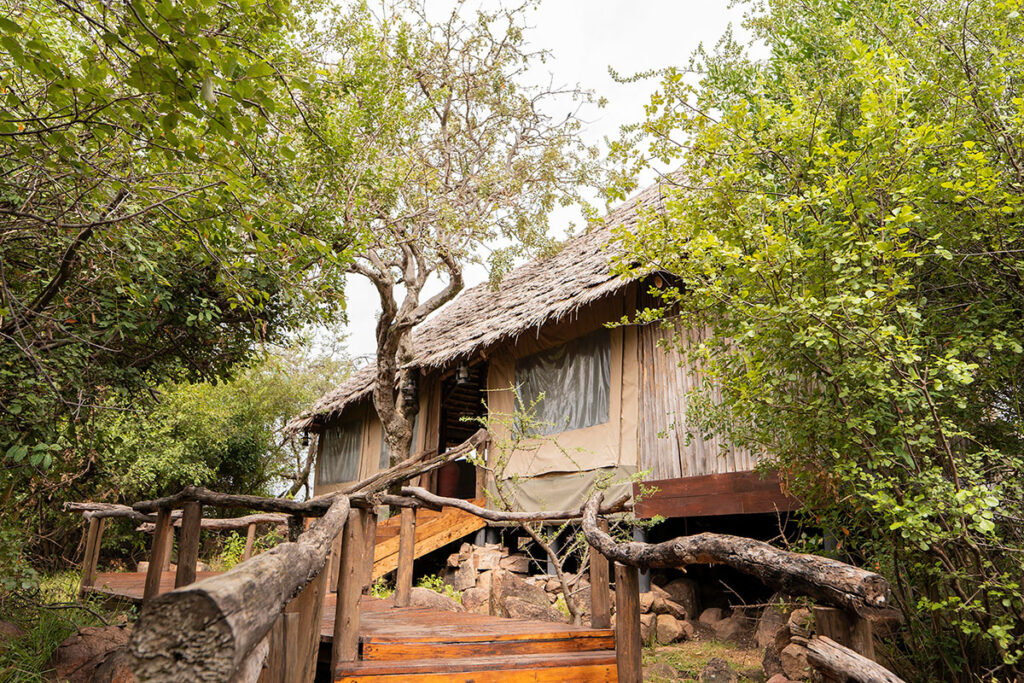
Accommodation is usually the biggest cost in a safari package.
Two lodges can look similar online, but the price may change because of:
Location (inside the park vs outside)
Room type (standard vs suite)
Level of service (basic vs luxury)
Season (peak vs low season)
Staying closer to the wildlife areas often costs more but saves driving time and improves your overall safari experience.
A private safari costs more because:
The vehicle is exclusively for you
The guide focuses on your interests
You can set your pace and schedule
A group safari can reduce costs, but it is less flexible.
If you are travelling as a couple, family, or small group, a private safari often offers better value and comfort overall.
Safari costs may include:
Road transfers (driving between parks)
Domestic flights (flying into safari areas)
Flights save time and add comfort, but they increase costs. Driving is more affordable but can take longer depending on the route.
Time of year has a major impact on pricing.
High season (often June–October and late December):
Higher lodge rates
Higher demand
Limited availability in popular parks
Low/green season:
Better deals on lodges
Fewer crowds
Some rain, but still great wildlife
If you’re flexible with dates, you can often get a much better safari price.
Longer safaris cost more overall, but the daily cost may decrease because fixed costs are spread across more days.
Also, some parks require longer travel distances, which affects:
Fuel and vehicle costs
Driving time
Accommodation needs
Safari length makes a big difference in how relaxed and rewarding your trip feels. Here’s a simple guide to help you choose the right package length.
Best for: travellers with limited time
Good for: quick wildlife experience, weekend trip, add-on safari
A 3-day safari can be excellent if you want a short introduction to safari life, especially in Kenya where travel time can be shorter.
However, it may feel rushed if you try to visit too many parks in just three days.
Best for: first-time safari travellers
Good for: strong wildlife viewing without stress
A 5-day safari gives you:
More game drives
Better chances to see big cats and the Big Five
Enough time to enjoy your lodge and the experience
This is one of the most popular choices for both Kenya and Tanzania.
Best for: travellers who want the full safari feeling
Good for: multiple parks and deeper wildlife encounters
A 7-day safari is ideal if you want:
A more relaxed pace
A mix of different landscapes
More time to follow wildlife movement
In Tanzania, 7 days works especially well for the classic northern circuit (such as Serengeti and Ngorongoro).
Best for: travellers who want variety and flexibility
Good for: longer stays, photographers, migration focus
A 10-day safari allows you to:
Visit several key parks comfortably
Add cultural visits or extra game drive days
Spend more time in top wildlife areas
This is perfect if you want to slow down and experience safari at the highest level.

To help you decide quickly:
If you want the best value safari:
Choose a mid-range 5–7 day safari with good lodge locations.
If you want the lowest cost safari experience:
Choose a budget 3–5 day safari and focus on one main park.
If you want a premium, unforgettable safari:
Choose a luxury 7–10 day safari with upgraded camps and a private vehicle.