

Planning your very first safari in Africa? You’re in for something truly unforgettable.
A safari in Kenya or Tanzania isn’t just a vacation — it’s a front-row seat to nature at its wildest and most beautiful. Imagine watching elephants crossing the savannah, lions resting in the golden grass, giraffes moving quietly past your vehicle, and the sun setting over endless open plains.
This guide will walk you through the safari essentials so you know exactly what to expect — and feel confident about your trip from day one.
A safari is a wildlife adventure where you explore national parks and game reserves to see animals in their natural habitat. Unlike a zoo or wildlife park, a safari is all about watching animals living freely — exactly as they should.
On your first safari in Kenya and Tanzania, you may see:
Lions, elephants, buffalo, leopards, and rhinos (the famous Big Five)
Giraffes, zebras, wildebeest, hippos, and crocodiles
Incredible birdlife and dramatic African landscapes
Some of the most iconic safari destinations include:
Masai Mara (Kenya) – famous for big cats and the Great Migration
Serengeti (Tanzania) – endless plains filled with wildlife
Ngorongoro Crater (Tanzania) – high chances of seeing the Big Five
Lake Nakuru & Amboseli (Kenya) – great scenery and unique wildlife
A safari is not a “busy city holiday.” It’s slower, deeper, and more connected to nature. Every game drive is different — and that’s what makes it so special.
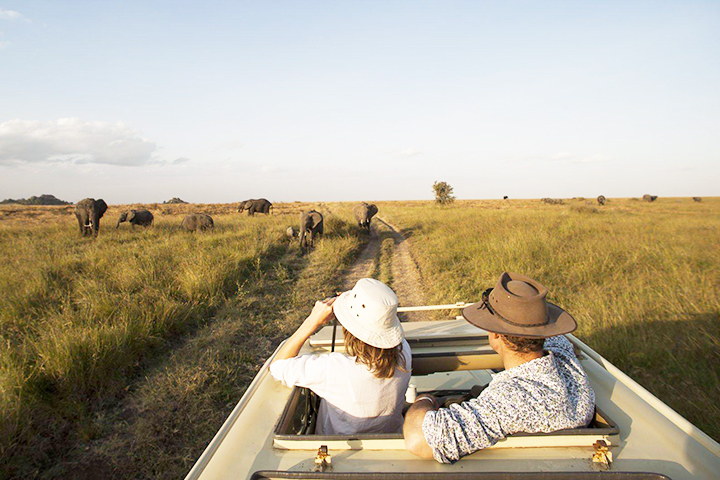
A game drive is the main safari activity. It’s when you explore the park in a safari vehicle looking for wildlife.
Most safaris include two game drives per day:
Early Morning Game Drive
This is one of the best times for wildlife viewing because animals are active, temperatures are cooler, and predators may still be hunting.
Afternoon / Sunset Game Drive
Another excellent time when animals return to water sources and the lighting is perfect for photos.
You’ll ride in a 4×4 safari vehicle (often a Land Cruiser) designed for comfort and wildlife viewing. In Kenya and Tanzania, many vehicles have a pop-up roof so you can stand safely and take better photos.
A typical game drive includes:
Driving through different habitats (plains, river areas, forests)
Scanning for animals and tracking fresh signs
Stopping for photos and learning from your guide
Enjoying the views, sounds, and silence of the wild
Your guide is one of the most important parts of the experience. They are trained to:
Spot animals you would never notice on your own
Understand animal behavior and track movement
Communicate with other guides to find sightings
Keep you safe and respect park rules
Most game drives last 2.5 to 4 hours, depending on the park, wildlife activity, and your schedule. Some days include longer drives between parks (called transfers) with wildlife viewing along the way.
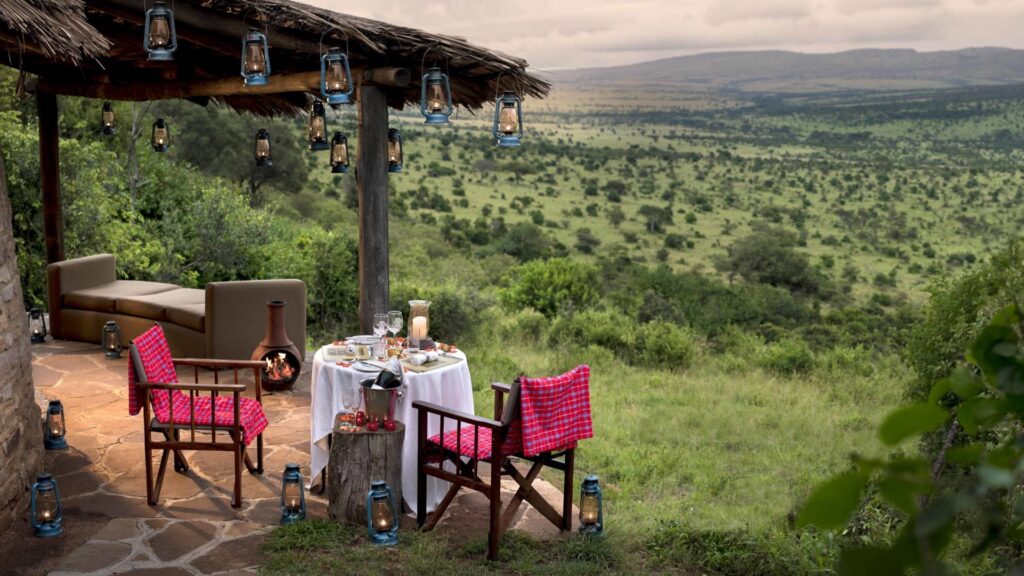
One of the most common questions for first-timers is: Where do I stay?
Kenya and Tanzania offer a wide range — from simple comfort to luxury in the wild.
A safari lodge is usually a permanent building inside or near a park. It often feels like a resort — but surrounded by nature.
Best for: couples, families, comfort travelers
Pros: private rooms, great facilities, consistent comfort
A safari camp is the classic safari experience. Don’t worry — many tented camps are very comfortable, with proper beds and private bathrooms.
Best for: adventure lovers, honeymooners, nature-focused travelers
Pros: closer to wildlife sounds, more “in the wild” feeling
A hotel is usually located in a town or just outside the park gate.
Best for: budget travelers or short safaris
Pros: affordable, easy access, more town amenities
Lodge: most comfort and great services
Safari Camp: most authentic safari atmosphere
Hotel: most budget-friendly and town-based
If you want the full safari feeling, we usually recommend staying in a lodge or tented camp inside or near the park whenever possible.
Your safari days are exciting — but also beautifully simple. You’ll wake up early, explore the wild, eat well, and rest in between drives.
Here’s an example of a typical safari day in Kenya or Tanzania:
5:30 – 6:00 AM: Wake-up call and tea/coffee
6:15 AM: Start morning game drive
9:30 AM: Breakfast (in camp/lodge or picnic style)
11:00 AM – 2:30 PM: Rest time (swim, relax, lunch, recharge)
3:30 PM: Afternoon game drive begins
6:30 PM: Return at sunset
7:30 PM: Dinner and relaxation
9:00 PM: Sleep
Yes — safaris start early, but it’s completely worth it. Early mornings give you the best chance to see animals active and avoid the hottest part of the day.
Here are a few quick tips to make your experience smoother and more enjoyable:
Wear neutral colors (beige, khaki, olive) and avoid bright tones
Pack light layers — mornings can be chilly, afternoons warm
Bring binoculars and a camera with extra battery
Be patient: wildlife is unpredictable, and that’s part of the experience
Listen to your guide — they know the parks and the animals best